

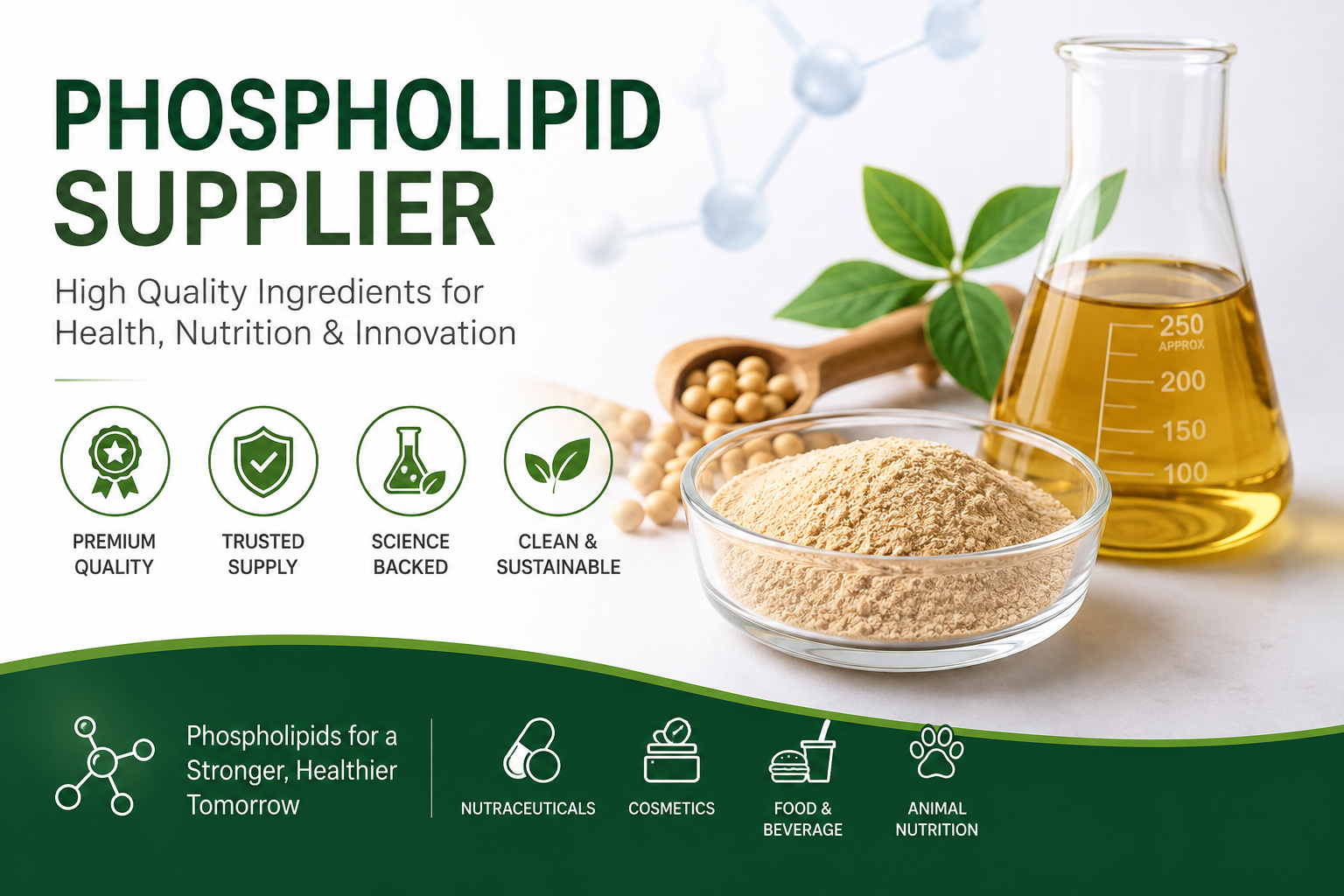
A soy lecithin supplier plays an important role in the American food, pharmaceutical, cosmetic, and nutraceutical industries. Soy lecithin is derived from soybeans and is commonly used as an emulsifier to help combine ingredients that would otherwise separate, such as oil and water.
Manufacturers rely on soy lecithin for applications involving chocolate, baked goods, margarine, dietary supplements, and personal care formulations. Its functional properties can improve texture, consistency, processing efficiency, and product stability. Depending on the intended application, soy lecithin may be available in liquid, powdered, or granulated forms.
When evaluating a soy lecithin supplier, businesses typically consider ingredient purity, product specifications, allergen information, traceability, and consistency between batches. Documentation and quality testing help manufacturers determine whether the ingredient meets their formulation requirements. Storage conditions and packaging also influence product quality during transportation and handling.
In the United States, ingredient sourcing requires attention to applicable food safety regulations and labeling requirements. Manufacturers must assess whether the selected lecithin meets the standards relevant to its intended use. Non-GMO sourcing, allergen management, and processing methods may also influence purchasing decisions.
Understanding these factors helps businesses evaluate soy lecithin suppliers based on technical suitability, regulatory considerations, and the specific requirements of their production processes.

 English
 Arabic
 French
 Portuguese
 Deutsch
 Turkish
 Dutch
 Italiano
 Russian
 Romaian
 Portuguese (Brazil)
 Greek